
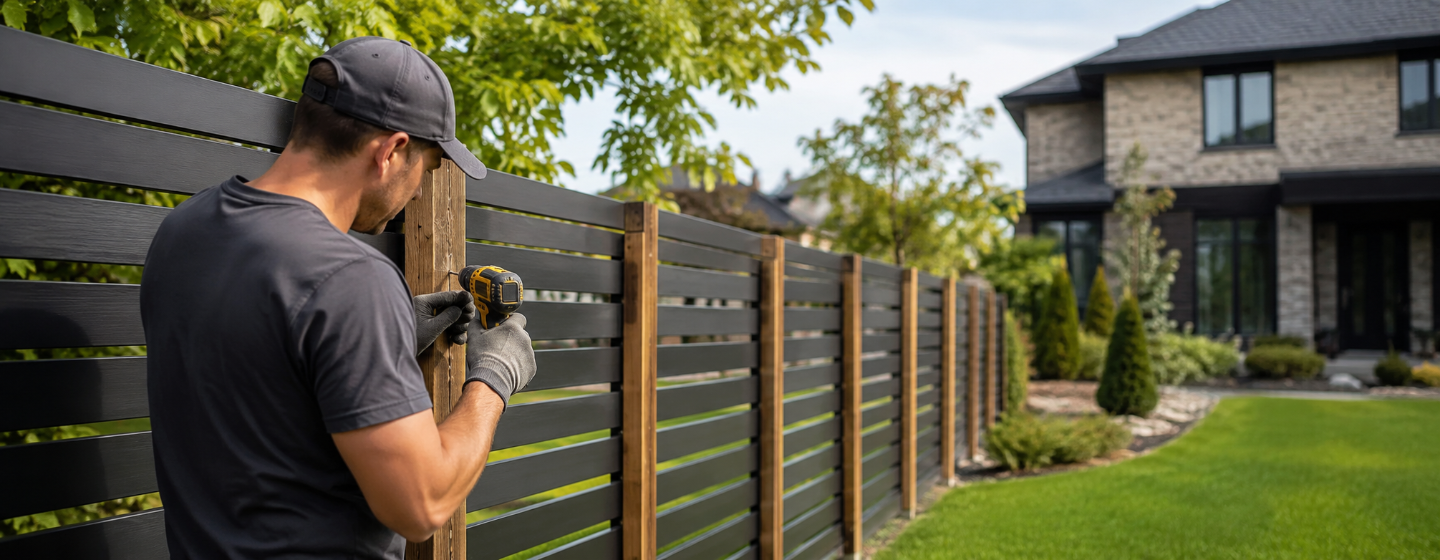
Google Ads for Fence Companies: How to Get More Residential and Commercial Fencing Leads
This guide breaks down how fence companies can actually use Google Ads well — split by residential vs. commercial, with real budget ranges and the mistakes that eat up spend without producing installs.
Quick answer: Most fencing companies see solid traction spending $1,200–$5,000/month on residential campaigns and $2,000–$8,000+/month if they're also chasing commercial and contractor work. The split between the two should follow your crew capacity and project margins, not just search volume.
Residential vs. Commercial: Two Completely Different Sales
|
Residential Fencing |
Commercial Fencing |
|
|
Typical search intent |
“Fence installation near me,” “privacy fence cost” |
“Commercial fence contractor,” “chain link fence for warehouse” |
|
Decision timeline |
Days to a few weeks |
Weeks to months (bids, approvals) |
|
Average job value |
$2,000–$8,000 |
$10,000–$100,000+ |
|
Who’s searching |
Homeowner, often comparing 3+ quotes |
Property manager, GC, or business owner |
|
Best ad type |
Search + Local Services Ads |
Search + LinkedIn/remarketing, sometimes cold outreach |
Trying to run one generic “fence company” campaign for both is like using the same pitch for a homeowner and a general contractor. It technically works, but it converts worse for everyone.
What a Realistic Budget Looks Like
|
Business Type |
Monthly Ad Spend |
Estimated Leads |
Cost Per Lead |
|---|---|---|---|
|
Residential only, single crew |
$1,200–$2,500 |
20–40 |
$40–$70 |
|
Residential, multiple crews |
$2,500–$5,000 |
40–80 |
$40–$65 |
|
Residential + light commercial |
$4,000–$8,000 |
50–100 |
$50–$90 |
|
Commercial/contractor-focused |
$3,000–$8,000+ |
10–30 (higher value) |
$150–$400+ |
Notice commercial cost per lead is much higher — that’s normal. A single commercial contract can be worth more than twenty residential jobs combined, so a higher acquisition cost is easy to justify if your close rate holds up.
Building Your Residential Campaign
Residential fencing searches are high-volume, competitive, and often price-sensitive. A few things matter more here than almost anywhere else:
- Material-specific keywords beat generic ones. “Privacy fence installation,” “vinyl fence company,” and “wood fence repair” all convert better than the broad term “fence company,” because the searcher already knows what they want.
- Show pricing signals, even if it’s a range. Homeowners comparing quotes will click past ads that feel vague. A landing page that says “Privacy fences starting at $X per linear foot” earns more qualified clicks than one that just says “Contact us.”
- Local Services Ads matter a lot here. The “Google Guaranteed” badge builds instant trust with homeowners who’ve never heard of your company, and you only pay when someone actually contacts you.
- Seasonality is real. Spring through midsummer is when most residential fence searches happen. Budgets often need to flex up 30–50% during peak months and pull back in winter, depending on your climate.
Building Your Commercial Campaign
Commercial fencing is a completely different game, and treating it like residential is the single biggest waste of budget we see.
- Keywords should reflect the buyer, not the product. “Commercial fence contractor,” “industrial fencing installation,” and “fence contractor for property managers” bring in decision-makers, not homeowners accidentally clicking the wrong ad.
- Send this traffic to a dedicated commercial page, not your residential homepage. Include past commercial projects, bonding/insurance info, and a clear way to request a bid — commercial buyers are looking for credibility signals fast.
- Expect a longer follow-up cycle. Commercial leads often don’t convert on the first call. Retargeting ads and email follow-up matter more here than in residential, where people tend to decide within days.
- Don’t judge commercial campaigns by cost-per-lead alone. A $300 lead that turns into a $40,000 contract is a great deal. Judge by cost-per-contract, not cost-per-click.
The Keyword Mistakes That Waste the Most Budget
- Bidding on “fence” alone. It’s expensive, vague, and pulls in everyone from DIYers to people looking for fencing supplies, not installers.
- No negative keywords for DIY intent. Without excluding terms like “how to install a fence myself” or “fence panels for sale,” you’ll pay for clicks from people who were never going to hire anyone.
- Mixing material types into one ad group. Someone searching “wood fence” and someone searching “aluminum fence” want different things — separate ad groups convert noticeably better than one blended group.
- Ignoring repair and gate-specific searches. “Fence repair near me” and “automatic gate installation” are often cheaper, faster-converting keywords that get overlooked while everyone fights over “fence installation.”
A Simple Budget Formula
Same math we recommend to every service business, applied to fencing:
Step 1: Decide your monthly job goal. Say you want 15 residential installs.
Step 2: Know your close rate. If you close 1 in 3 leads, you need 45 leads.
Step 3: Multiply by your average cost per lead. At $55/lead:
45 leads × $55 = $2,475/month
Step 4: Check it against average job value. At $4,500 per install, 15 jobs = $67,500 in revenue against a $2,475 ad spend — a return that easily justifies the investment, even before referrals and repeat customers from property managers who liked your last job.
For commercials, run the same formula but with your bid-to-close rate and contract values — expect the budget-to-revenue ratio to look even better, since a single win can cover months of ad spend.
Getting the Most Out of Every Dollar
- Use call tracking so you know which keywords and ads actually produce phone calls and form fills, not just clicks.
- Build separate landing pages for residential and commercial — even a simple, dedicated page converts meaningfully better than sending everyone to your homepage.
- Add photos of real completed fences to your ads and landing pages. Fencing is a visual purchase — people want to see the work before they call.
- Retarget site visitors who didn’t convert. Fencing decisions, especially commercial ones, often take more than one visit before someone reaches out.
- Review your search terms report monthly. New negative keywords should get added regularly as you see what irrelevant searches your ads are matching.
Frequently Asked Questions
Should a small fencing company bother with commercial ads?
Only if you have the crew and bonding to actually handle a large project. If not, put the full budget into residential — chasing commercial leads you can’t fulfill just wastes money.
How much should I spend to start?
$1,200–$1,500/month is usually the minimum to gather enough data to optimize a residential campaign properly. Below that, campaigns rarely get enough clicks to learn what’s working.
Is SEO better than Google Ads for fence companies?
They complement each other. Google Ads gets you leads immediately while your SEO builds up over months. Most fencing companies that grow steadily are running both at once.
What’s a good cost per lead for residential fencing?
Typically $40–$70 depending on market competition and material type searched. Vinyl and composite fence searches often run slightly higher than wood or chain link.
Want a Google Ads account that actually separates your residential and commercial leads instead of lumping them together?
At Namaste Advertising, we build fencing-specific campaigns around your real job values and crew capacity. Get in touch for a free look at what your budget should be.