
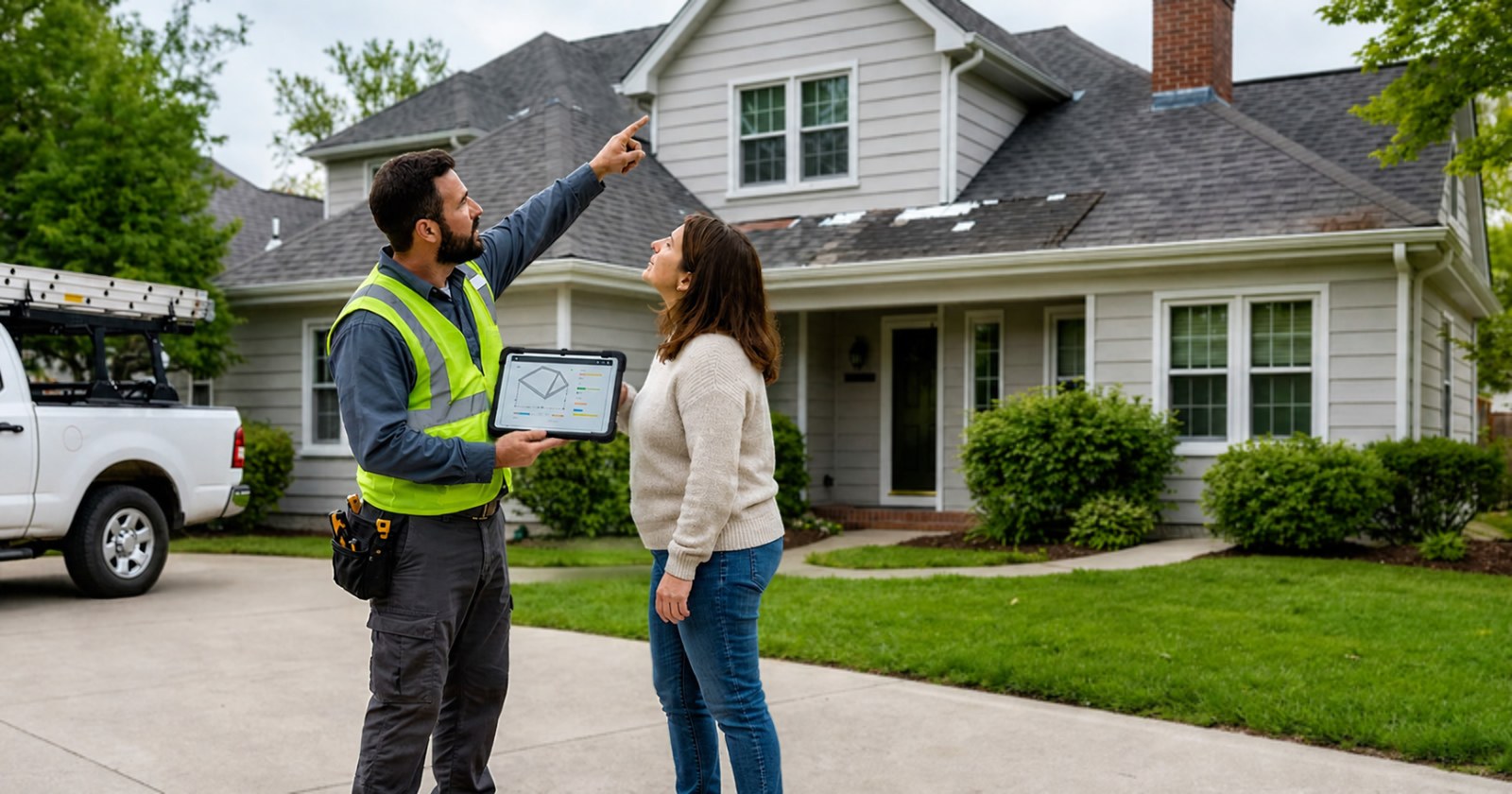
Client example: these figures come from a roofing client’s Google Ads account. We keep client names private, so we describe it by category. Every business is different, so results vary and are not guaranteed.
Most roofing companies that run Google Ads ask the same question: “Can I get more leads without spending more?” Often the answer is yes, because the first version of a campaign usually wastes part of the budget. This article walks through a roofing client (name withheld) to show where that waste hides and how fixing it changed the numbers.
The before and after
| Metric | Before | After |
|---|---|---|
| Monthly ad spend | $3,000 | $3,000 |
| Leads per month | 20 | 30 |
| Cost per lead | $150 | $100 |
Cost per lead is simply ad spend divided by leads: $3,000 / 20 = $150 before, and $3,000 / 30 = $100 after. That is 50% more leads and a cost per lead about one third lower, on the same budget, over roughly 90 days. Results vary by market, competition and how fast leads are followed up.
Where the waste usually hides
1. Broad keywords that attract the wrong searches
A campaign built on loose keywords can pay for clicks from people looking for roofing jobs, DIY tips or materials. Focusing on high-intent searches such as roof repair, roof replacement and roof leak repair sends more of the budget to homeowners ready to hire. Our guide to keyword match types explains how to control this.
2. Missing negative keywords
Negative keywords stop your ads from showing on searches you do not want, such as “roofing jobs”, “roofing supplies” or “roofing school”. Reviewing the search terms report each week and adding negatives is one of the quickest ways to lower cost per lead.
3. Loose location targeting
If your ads show outside your service area, you pay for clicks you cannot serve. Tighten the map to the cities and ZIP codes you actually work in.
4. Landing pages that do not convert
Sending every click to the homepage loses leads. A dedicated roofing page with a tap-to-call button, a short quote form and proof such as licenses and reviews turns more visitors into calls. See our Google Ads for roofing companies page.
5. Weak conversion tracking
If you only count clicks, Google cannot learn which searches produce real leads. Track phone calls and form submissions as conversions so bidding improves around results, not traffic. Our guide to the Google Ads KPIs worth tracking covers the numbers to watch.
What you need in place
- Call tracking and form tracking connected to Google Ads.
- A fast follow-up process, because roofing leads often contact more than one company.
- A monthly review of search terms, locations and landing page results.
- Patience: most accounts need several weeks of data before changes show up in results.
Limits to keep in mind
These numbers come from one client and are not a promise for yours. A competitive market, a short storm season or a slow follow-up process can all change what is possible. Lead cost also depends on how you define a lead, so decide whether you count every call or only qualified estimate requests.
Next steps
Want to know where your own budget could work harder? Request a free review of your account on our Budget Leak Review page, or read our Google Ads management cost guide and SEO for roofers. You can also contact us directly.